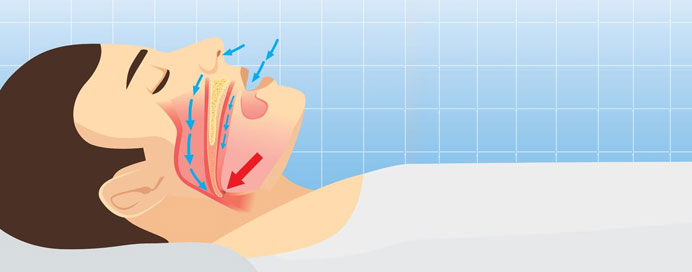
Sleep Disordered Breathing
Sleep-disordered breathing (SDB) is a group of disorders characterized by abnormal breathing patterns during sleep. It encompasses a range of conditions, including snoring, upper airway resistance syndrome (UARS), and sleep apnea. The most common sleep disorder within this category is obstructive sleep apnea (OSA). Here's an overview of sleep-disordered breathing:
- 1. Obstructive Sleep Apnea (OSA): This is the most prevalent form of sleep-disordered breathing. OSA occurs when the muscles at the back of the throat relax excessively during sleep, leading to repeated partial or complete blockages of the upper airway. This results in interrupted breathing, often accompanied by loud snoring, and leads to disrupted sleep. OSA can have serious health consequences, including increased risk of cardiovascular disease, high blood pressure, and daytime sleepiness.
- 2. Central Sleep Apnea (CSA): CSA is less common than OSA and occurs when the brain fails to send the proper signals to the muscles that control breathing. It leads to pauses in breathing during sleep without the physical obstruction seen in OSA. CSA is often associated with underlying medical conditions such as heart failure or certain neurological disorders.
- 3. Complex Sleep Apnea Syndrome (or Treatment-Emergent Central Sleep Apnea): This is a combination of OSA and CSA. It can occur in some individuals who initially have OSA but develop central apneas when treated with positive airway pressure therapy (CPAP or BiPAP).
- 4. Upper Airway Resistance Syndrome (UARS): UARS is characterized by increased resistance to airflow in the upper airway during sleep, leading to fragmented sleep and symptoms similar to OSA, such as snoring, daytime fatigue, and frequent awakenings.
- 5. Snoring: While snoring is a common symptom of SDB, it doesn't always indicate a more severe condition like OSA. Snoring can be disruptive to sleep and disturb bed partners, but it doesn't always result in apneas or hypopneas (partial blockages of the airway).
Symptoms of Sleep-Disordered Breathing:
Common symptoms of sleep-disordered breathing include:
- Loud and frequent snoring.
- Pauses in breathing during sleep, witnessed by a bed partner.
- Excessive daytime sleepiness.
- Fatigue.
- Morning headache.
- Difficulty concentrating.
- Irritability.
- Restless sleep.
- Frequent awakenings during the night.
- Gasping or choking sensations during sleep.
Treatment of Sleep-Disordered Breathing:
The treatment of sleep-disordered breathing depends on the specific condition and its severity. Common treatment options include:
- 1. Lifestyle Modifications: These may include weight loss, avoiding alcohol and sedatives before bedtime, and sleeping in certain positions to reduce airway obstruction.
- 2. Continuous Positive Airway Pressure (CPAP): This is the primary treatment for moderate to severe OSA. CPAP involves wearing a mask that delivers a continuous stream of air to keep the airway open during sleep.
- 3. Bi-level Positive Airway Pressure (BiPAP): This device provides two different pressures—one for inhaling and one for exhaling—and is often used when CPAP is ineffective or not tolerated.
- 4. Oral Appliances: These devices are designed to reposition the jaw and tongue to keep the airway open and are primarily used for mild to moderate OSA.
- 5. Surgery: Surgical options may be considered in cases of severe OSA or when other treatments are ineffective. Procedures may include uvulopalatopharyngoplasty (UPPP), genioglossus advancement (GA), or maxillomandibular advancement (MMA), among others.
- 6. Medications: Medications are generally not the first-line treatment for sleep apnea but may be considered in specific situations, such as the use of acetazolamide for central sleep apnea associated with high-altitude exposure.
Treatment should be individualized based on the patient's specific diagnosis and needs. If you suspect you have sleep-disordered breathing or have symptoms such as loud snoring and excessive daytime sleepiness, it's important to seek evaluation and diagnosis from a sleep specialist. Effective treatment can significantly improve sleep quality and overall health.