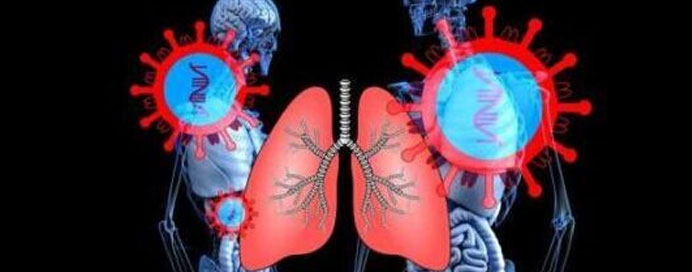
Respiratory failure is a serious medical condition in which the respiratory system fails to adequately fulfill its role of oxygenating the blood and removing carbon dioxide from the body. It can be acute (sudden onset) or chronic (developing over time) and may result from various underlying causes. There are two primary types of respiratory failure:
1. Hypoxemic Respiratory Failure (Type I):This type of respiratory failure occurs when the oxygen levels in the blood are too low (hypoxemia). It can be caused by conditions that impair the exchange of oxygen between the air and the blood in the lungs. Common causes include:
Symptoms of hypoxemic respiratory failure may include shortness of breath, confusion, rapid breathing, and cyanosis (bluish skin or lips).
2. Hypercapnic Respiratory Failure (Type II):This type of respiratory failure occurs when the level of carbon dioxide in the blood (hypercapnia) rises above normal. It is often associated with inadequate ventilation or breathing difficulties. Common causes include::
Symptoms of hypercapnic respiratory failure may include confusion, lethargy, headache, and slowed or shallow breathing.
Diagnosing respiratory failure involves a combination of clinical evaluation, medical history, physical examination, and diagnostic tests, including blood gas analysis (to measure oxygen and carbon dioxide levels) and imaging studies (such as chest X-rays or CT scans). The underlying cause of respiratory failure needs to be identified to guide appropriate treatment.
The treatment of respiratory failure focuses on addressing the underlying cause and providing respiratory support to maintain adequate oxygenation and ventilation. Treatment options may include:
