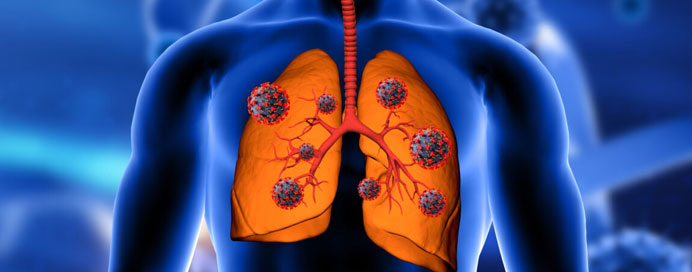
Covid Related Respiratory Illnesses
COVID-19, caused by the novel coronavirus SARS-CoV-2, is primarily a respiratory illness. It can lead to a range of respiratory symptoms and complications, some of which can be severe. Here are some COVID-19-related respiratory illnesses and complications:
- 1. COVID-19 Infection (Acute Respiratory Illness): COVID-19 typically presents with symptoms such as fever, cough, shortness of breath, and fatigue. Many individuals with COVID-19 experience mild to moderate respiratory symptoms that can be managed at home. However, severe cases can progress to acute respiratory distress syndrome (ARDS).
- 2. Acute Respiratory Distress Syndrome (ARDS): ARDS is a severe form of respiratory failure characterized by rapid onset of severe respiratory symptoms, including extreme shortness of breath, low oxygen levels, and lung infiltrates seen on chest imaging. It is a life-threatening complication of COVID-19, and treatment often involves mechanical ventilation and supportive care.
- 3. Pneumonia: COVID-19 can lead to viral pneumonia, which is an infection and inflammation of the lung tissue. This can result in symptoms such as high fever, cough with mucus production, chest pain, and difficulty breathing.
- 4. Hypoxemia: Low oxygen levels (hypoxemia) are a common feature of severe COVID-19 cases. Patients may require supplemental oxygen therapy to maintain adequate oxygen levels in the blood.
- 5. Pulmonary Embolism: COVID-19 is associated with an increased risk of blood clots. In some cases, these clots can travel to the lungs, causing a pulmonary embolism. Symptoms include sudden chest pain, shortness of breath, and coughing up blood.
- 6. Long COVID or Post-Acute Sequelae of SARS-CoV-2 Infection (PASC): Some individuals who have recovered from acute COVID-19 continue to experience respiratory symptoms, such as persistent cough, shortness of breath, and chest discomfort. This condition is known as "long COVID" and can affect individuals of all ages.
- 7. Bronchitis and Bronchiolitis: In some cases, COVID-19 can lead to bronchitis or bronchiolitis, which are characterized by inflammation of the bronchial tubes. This can result in symptoms such as cough, chest congestion, and wheezing.
- 8. Secondary Bacterial Infections: COVID-19 can weaken the immune system and make individuals more susceptible to secondary bacterial infections, such as bacterial pneumonia.
- 9. Exacerbation of Preexisting Respiratory Conditions: Individuals with preexisting respiratory conditions like asthma or chronic obstructive pulmonary disease (COPD) may experience exacerbations of their conditions when infected with COVID-19.
Management of COVID-19-related respiratory illnesses involves a combination of supportive care, supplemental oxygen, antiviral medications (in some cases), and, for severe cases, mechanical ventilation. COVID-19 vaccines have been developed to reduce the risk of infection and severe illness, and vaccination is a critical preventive measure.
It's essential to follow public health guidelines, including wearing masks, practicing physical distancing, and practicing good hand hygiene, to reduce the risk of contracting COVID-19 and its associated respiratory complications. Additionally, seeking prompt medical attention if you develop severe respiratory symptoms or other concerning signs is crucial for timely treatment and management.